
Corporate
AI Headshot Booth vs Hiring a Conference Photographer
The page that owns this comparison contains no numbers at all. Here are the numbers: what a headshot booth costs, how many people it clears an hour, and when to hire the photographer instead.
Short answer
A Headshot Booth is $599 for three hours and photographs 120 to 180 people in that window, one at a time, with images delivered on the spot. A conference photographer produces a better single portrait and can direct a subject. Book the photographer for executive portraits and anything going on a billboard.
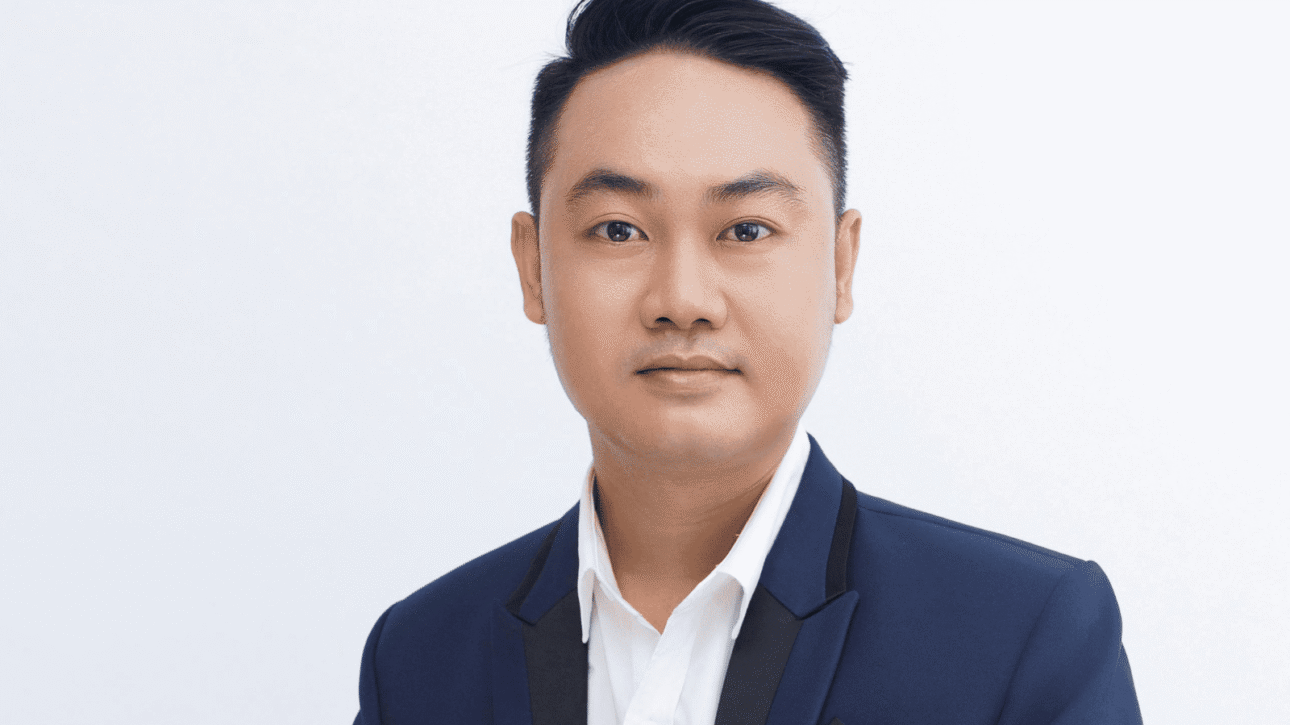
Headshot booth or conference photographer: the short answer
A Headshot Booth is $599 for three hours. In that window it photographs 120 to 180 people, one at a time. Images come back immediately. Setup is 30 minutes and it runs off a standard wall outlet.
A conference photographer with a proper lighting setup produces a better single image than that, and can direct a nervous subject into a usable pose, which a booth cannot do. Both of those are real advantages. Neither is a reason to default to the photographer when two hundred attendees need a headshot by the end of the afternoon.
The trade is volume against direction. If you need one excellent portrait of a named person, hire the photographer. If you need most of a room to leave with a consistent, usable headshot the same day, the booth is the format that does that.
Worth naming what is missing everywhere else on this question. The page that currently owns this framing in search has no cost figures, no headshots per hour and no turnaround times in it at all. Numbers are the whole article. People also search for this as an AI headshot booth, which is a term worth untangling, and there is a section below that does exactly that.
What each one costs and what each one produces
We can publish our own number. We are not going to publish somebody else's day rate, because photographer pricing varies by market, by experience and by usage rights, and inventing a figure to win a comparison is not something we do. What we can do is lay out the structure honestly and let you fill in the quote you actually received.
Headshot Booth and conference photographer compared
| Headshot Booth | Conference photographer | |
|---|---|---|
| Price | $599 for 3 hours, published | Quoted per session or per day, varies by market and usage rights |
| People in a 3 hour window | 120 to 180 | Depends on the shooter, the setup and how much direction each subject needs |
| Setup | 30 minutes, one standard wall outlet | Lighting, stands, backdrop, a longer load in and a power plan |
| Direction | None, the subject follows a prompt | Yes, and this is the main thing you are paying for |
| Consistency across the set | Every image comes off the same setup | High with one shooter, drifts if the day runs long |
| Delivery | Immediate, at the booth | After culling and retouching, on the photographer's turnaround |
| Attendant | Included on every booking | The photographer, plus an assistant on larger setups |
| Best use | Volume, badge pickup, all hands, sales kickoff | Executive portraits, campaign imagery, anything art directed |
Two honest notes on that table. The photographer column is vague in places because it genuinely varies, and any vendor who tells you there is one going rate for a conference photographer in Miami is guessing. And the direction row is the one that decides most of these. A photographer looks at a person, sees that their shoulders are square to the camera and their chin is dropped, and fixes it in four seconds. No booth does that.
Throughput: 120 to 180 people in a three hour window
The Headshot Booth shoots one person at a time. That sounds like a limitation and it is the opposite. A group booth spends most of its cycle on staging: six people arranging themselves, one stepping out of frame, a retake because somebody blinked. A headshot station has none of that. One person steps in, stands on a mark, follows a prompt, steps out.
That is why it clears 120 to 180 people across a three hour window. Call it 40 to 60 an hour.
Run it against a real event. A 150 person conference is covered by a single three hour window, as long as you put the booth where people already are. A 400 person conference is not. For that you either book a longer window, run two units, or accept up front that the booth serves the share of the room that walks past it.
One thing the number does not account for is a queue that arrives all at once. Badge pickup produces a wave rather than a steady flow, and the throughput figure holds across the whole window, not inside a single ten minute crush. We published the longer version of that argument, including what a second unit buys compared with a longer window, on our throughput page.
Turnaround, and what the attendee walks away with
This is where the two formats separate most sharply, and it is the part event organizers underestimate.
At the booth, the attendee has their image before they walk away. They can put it on LinkedIn from the hallway outside the ballroom. There is no email chase, no gallery link three weeks later, no list of two hundred people who never downloaded their file.
With a photographer, the images go through culling and retouching and come back on the photographer's turnaround. That is the correct process for images that matter. It is also the reason the conference headshot perk so often dies quietly. An attendee's enthusiasm about a new headshot has a half life measured in hours, and a delivery window rarely fits inside it.
The gallery stays hosted for three years, which matters less on the day and more eighteen months later when somebody changes laptops and HR needs the file again.
Say the obvious part out loud. The booth produces a consistent, usable headshot. It does not produce a portrait. If you need a portrait, the next section is written for you.
When to hire the photographer instead
Four situations where you should not buy a booth from us, and where we will say so on the phone.
- An executive team portrait. A leadership page with eight faces on it is a single set that gets looked at closely and compared image to image. That is a lighting and direction job, not a volume job.
- Anything going on a billboard, an out of home placement or a printed campaign. Those need a photographer, a retoucher, and a file built for the output size.
- Anything where the subject needs direction. Someone uncomfortable on camera, an executive with a specific way they want to be photographed, a person being shot for a profile piece. A prompt on a screen does not fix a tense subject.
- Anything where the image is the product. Recruiting campaigns, a speaker series, editorial. If the photo has to carry the message rather than identify the person, hire the photographer.
The booth is for identification. The photographer is for representation.
A headshot that says this is who you will be meeting on Tuesday is a booth job. A photograph that says something about who the person is, is not, and no amount of consistent lighting turns one into the other.
There is also a version where you buy both, and at larger conferences it is the normal answer. The photographer covers the keynote, the sponsor moments and a short list of executive portraits. The booth handles the two hundred attendees the photographer was never going to reach anyway.
Badge pickup, all hands, and where to actually put it
At a conference
Put it at badge pickup. That is the single point in the day where every attendee is already stopped, already in a line and already resigned to waiting a couple of minutes. A headshot station anywhere else competes with sessions, coffee and the expo floor, and it loses to all three.
The requirements are small enough to make badge pickup genuinely feasible: 30 minutes of setup and one standard wall outlet. It does not need a dedicated room, a power drop or a dark corner.
At a company all hands
Different problem. The attendee list is fixed and known, so the goal is coverage rather than traffic. Run the booth during the break and again right after the close, and put somebody from HR or comms next to it with the list. The value of an all hands headshot session is the completeness of the set. A directory where a hundred and forty people have a consistent photo and sixty have a cropped wedding picture is only half solved.
At a sales kickoff
Same as the all hands with more urgency, because these images go straight into a CRM and a proposal deck. Book the window immediately after the opening session, while everyone is still in the building and before the breakouts scatter them.
What a headshot actually costs you here
$599 for three hours against 120 to 180 people works out to roughly $3.30 to $5.00 per headshot. Setup is 30 minutes on a standard wall outlet, there is no travel fee anywhere in Broward, Miami-Dade or Palm Beach, and the attendant is included. An extra hour runs $150 to $250.
The Headshot Booth and the AI Photo Booth are not the same product
These two get blurred constantly, including by people selling them, so here is the distinction in plain terms.
The Headshot Booth is a portrait station. One person at a time, consistent lighting, a clean business headshot, delivered on the spot, $599 for three hours. The AI Photo Booth is an entertainment product. It takes 1 to 10 guests, runs at about 45 guests per hour like the other group booths, and produces a generated image rather than a straight photograph. It is $850 for three hours.
Headshot Booth and AI Photo Booth, side by side
| Headshot Booth | AI Photo Booth | |
|---|---|---|
| Price | $599 for 3 hours | $850 for 3 hours |
| Guests per turn | 1 at a time | 1 to 10 |
| Throughput | 120 to 180 per 3 hour window | About 45 guests per hour |
| Setup | 30 minutes, one standard outlet | 45 minutes, one 110v outlet within 25 feet |
| Output | A business headshot | A generated image |
| Where it belongs | Badge pickup, all hands, sales kickoff | Holiday party, evening reception, activation |
If you want headshots for a directory, book the Headshot Booth. If you want a line of people laughing at what the machine did with their face, book the AI booth. Booking the wrong one is the most common mistake we see on corporate inquiries, and it usually happens because somebody read the letters AI and assumed it meant AI generated headshots.
What Motion charges for conference headshots
The Headshot Booth is $599 for three hours and clears 120 to 180 people in that window. An extra hour runs $150 to $250. A custom printed backdrop is $250 if you want company colors behind every image. Data capture and reporting is $75 if you need a record of who used it. The AI Photo Booth, which is a different product for a different room, is $850 for three hours.
Those prices are published rather than gated behind a form. There is no travel fee anywhere in Broward, Miami-Dade or Palm Beach. Idle time between sessions counts toward the hours you booked instead of being billed on its own line. An attendant is included on every booking, every job carries a backup camera, the gallery is hosted for three years, and the work is backed by a written guarantee.
Send us the headcount and the window and we will tell you plainly whether one three hour block covers your room or whether you need two. Full pricing is published for every booth, and the headshot booth page has the setup detail your venue contact will ask for.
Common questions
How much does a headshot booth cost for a conference?
Motion charges $599 for three hours, with the attendant included and no travel fee anywhere in Broward, Miami-Dade or Palm Beach. Against 120 to 180 people in that window, that is roughly $3.30 to $5.00 per headshot. An extra hour runs $150 to $250 and a custom printed backdrop is $250.
How many headshots can you do in an hour?
40 to 60 an hour, or 120 to 180 across a three hour window. The booth shoots one person at a time, which is what makes it fast: there is no group staging, no rearranging and no retake because somebody blinked. A 150 person conference is usually covered by one three hour block.
Is a headshot booth better than hiring a photographer?
For volume, yes. For a single important image, no. A photographer produces a better portrait and can direct a subject into a usable pose, which a booth cannot do. Hire the photographer for executive portraits, campaign imagery and billboards. Book the booth when two hundred people need a usable headshot the same day.
How fast do attendees get their headshot?
Immediately, at the booth. They can post it from the hallway. A photographer delivers after culling and retouching on their own turnaround, which is the right process for images that matter and also the reason conference headshot perks often go unclaimed. Our gallery stays hosted for three years.
What is the difference between a headshot booth and an AI photo booth?
The Headshot Booth is a portrait station: one person at a time, $599 for three hours, 120 to 180 people. The AI Photo Booth is entertainment: 1 to 10 guests, about 45 an hour, a generated image, $850 for three hours. Book the first for a directory and the second for a party.
What does a headshot booth need at the venue?
One standard wall outlet and 30 minutes of setup. No dedicated room, no power drop and no dark corner. That is small enough that you can put it at badge pickup, which is the right place for it, because badge pickup is the one moment every attendee is already standing still.
Can a headshot booth replace our executive portraits?
No, and we will tell you that before you book. A leadership page is a small set of images that get compared side by side and looked at closely. That is a lighting and direction job. Use the photographer for the executive team and the booth for everybody else at the event.
Motion Event Productions
Every price on this page is on our pricing page
No form to see a number. No travel fee in Broward, Miami-Dade or Palm Beach. Idle time counts toward your booked hours instead of being billed on top. An attendant comes with every booking.
Keep reading